5 Best SCADA Security Practices Every Industrial Operator Should Know (2026)
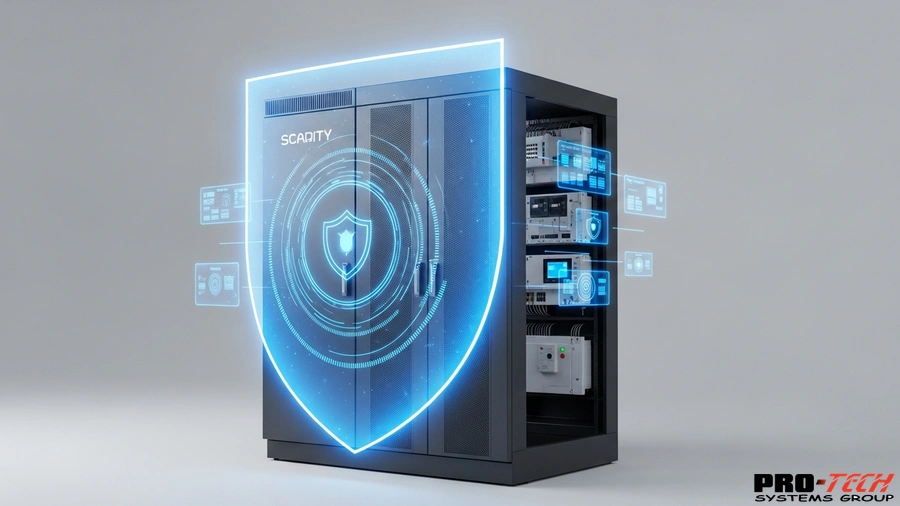
Top 5 Best SCADA Security Practices Every Industrial Operator Should Know
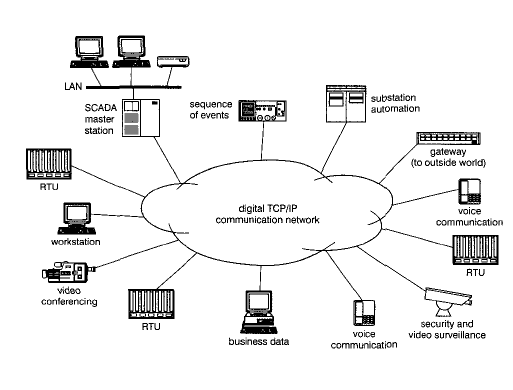
In today’s digital industrial era, SCADA (Supervisory Control and Data Acquisition) systems form the backbone of critical infrastructure. From water treatment facilities and power plants to manufacturing floors and oil refineries, SCADA systems monitor and control vital operations. However, with increasing connectivity and reliance on remote access, these systems have also become prime targets for cyberattacks.
Cybercriminals view SCADA environments as high-impact opportunities to cause disruption, financial loss, and even physical damage. For industrial operators, maintaining SCADA security is no longer a technical preference—it’s a business necessity.
In this blog, we break down five best SCADA security practices that every industrial operator should implement to protect against threats, ensure uptime, and meet compliance requirements.
Why Are Best SCADA Security Practices Necessary?
As industrial automation becomes more advanced, the cybersecurity threats targeting SCADA (Supervisory Control and Data Acquisition) systems are becoming more sophisticated. These systems control critical infrastructure such as power grids, water treatment plants, oil refineries, and transportation networks. A successful cyberattack on SCADA infrastructure could lead to massive service disruptions, public safety hazards, and national security risks.
Therefore, cyber resilience and best SCADA security practices are no longer optional—they’re a necessity. Moving beyond the breach, as in not only preventing attacks but also preparing to recover from them quickly, adapt to evolving threats, and build systems that can withstand disruption without collapsing.

1. Network Segmentation and Access Control
Many cyberattacks occur because SCADA systems are connected to wider corporate or public networks without sufficient boundaries. If a breach occurs in the IT environment, attackers can easily move laterally to the operational technology (OT) systems.
a. Segment the Network Physically and Logically
Use firewalls, VLANs, and DMZs (Demilitarized Zones) to separate your SCADA system from your IT network and external internet access.
b. Apply the Principle of Least Privilege
Only allow access to SCADA systems based on user roles and job requirements. Prevent administrator privileges from being widely distributed.
c. Use Multi-Factor Authentication (MFA)
Secure remote access and critical system functions with MFA, especially for vendors or field engineers accessing the network externally.
Pro Tip: Invest in an identity and access management (IAM) solution to centrally control permissions across PLCs, HMIs, and SCADA servers.
2. Keep SCADA Systems Updated with Secure Patch Management
SCADA environments often use legacy systems that were not built with modern cybersecurity in mind. Unfortunately, outdated firmware and unpatched software are easy targets for cybercriminals exploiting known vulnerabilities.
a. Maintain an Accurate Asset Inventory
Know exactly what hardware and software versions are operating in your SCADA ecosystem, including vendor firmware and HMI operating systems.
b. Apply Patches During Scheduled Downtime
Since SCADA systems often run continuously, develop a maintenance window schedule for patching critical systems.
c. Use Virtual Patching if Needed
If certain systems can’t be patched due to legacy constraints, deploy intrusion prevention systems (IPS) or network-level patching tools to mitigate known threats.
Pro Tip: Partner with SCADA vendors that offer long-term support and cybersecurity updates for critical components.
3. Continuous Monitoring and Anomaly Detection
Modern threats like ransomware, APTs (Advanced Persistent Threats), and insider attacks don’t always trigger traditional antivirus systems. You need real-time monitoring to detect suspicious behavior early and respond before damage is done.
a. Deploy Industrial Intrusion Detection Systems (IDS)
Use SCADA-specific IDS tools that understand MODBUS, DNP3, IEC 60870-5, and other OT protocols.
b. Monitor for Behavioral Anomalies
Look for deviations from normal operating patterns, such as:
Unusual command executions
Sudden configuration changes
Unexpected data flows
c. Integrate with a Security Information and Event Management (SIEM) System
Forward SCADA logs and alerts to your SIEM for centralized analysis and correlation with IT systems.
Pro Tip: Use AI-powered threat detection to reduce false positives and improve response times.
5. Develop and Test a SCADA Cybersecurity Incident Response Plan
No system is impenetrable. If a cyberattack does occur, a well-documented, pre-tested incident response plan (IRP) is your best defense against extended downtime or data loss.
a. Define Roles and Responsibilities
Assign roles to OT engineers, IT security staff, legal advisors, and executives to form a multi-disciplinary response team.
b. Create Playbooks for Common Threat Scenarios
Prepare step-by-step actions for:
Ransomware
Unauthorized remote access
SCADA node compromise
Insider sabotage
c. Conduct Tabletop Exercises
Simulate SCADA attack scenarios at least twice per year to test your team’s response under pressure.
d. Include Recovery and Backup Plans
Ensure your SCADA system has regular, encrypted, and offline backups—and practice restoring them.
Pro Tip: Use session timeouts and auto-logout features to protect unattended remote sessions.
4. Secure Remote Access and Vendor Connections
Many SCADA breaches originate from insecure remote access, including third-party maintenance tools, unmanaged laptops, or misconfigured VPNs.
a. Disable Unused Remote Access Channels
Turn off remote access protocols (e.g., RDP, Telnet) unless they’re explicitly needed—and monitor their usage.
b. Enforce Secure VPN Access with MFA
All remote sessions should be established over encrypted VPN connections and validated with multi-factor authentication.
c. Use Jump Hosts or Bastion Servers
Vendors and remote users should never access SCADA devices directly. Instead, provide controlled access through a secure intermediary.
d. Record and Audit Remote Sessions
Keep detailed logs of who accessed what and when, including session recordings if possible.
Pro Tip: Integrate your SCADA IRP into your broader disaster recovery (DR) and business continuity (BC) plans.
Additional Best SCADA Security Practices to Consider
While the five practices above are essential, here are more ways to strengthen your SCADA security posture:
Implement Network Whitelisting: Only allow approved devices and applications.
Physically Secure Equipment: Lock server rooms and panel enclosures.
Conduct Regular Risk Assessments: Identify gaps in your security architecture.
Train Staff on Social Engineering Threats: Many breaches begin with phishing.
Use Encryption for Data in Transit and at Rest: Especially for remote telemetry data.
Compliance Tip: These best practices align with ISA/IEC 62443, NIST 800-82, and CISA guidelines for industrial control system security.
Secure SCADA Systems Start with Proactive Defense
SCADA systems are mission-critical and increasingly under threat. By implementing these five best SCADA security practices—from network segmentation to recovery planning—you’re taking essential steps toward SCADA cyber resilience.
In a world where cyberattacks can disrupt entire cities or compromise national infrastructure, industrial operators must treat SCADA security with the same urgency as physical safety. The organizations that thrive in this new era will be those that prioritize cybersecurity at every level of industrial operations.
Now is the time to audit, adapt, and fortify your SCADA environment—before a breach occurs.
Related posts