Remote lift station monitoring gives water and wastewater utilities live visibility into pump stations that sit miles from the treatment plant, so a wet-well backing up at 2 a.m. triggers an alarm instead of a spill. This guide is for utilities with outlying lift stations and tank sites that need to decide what to monitor, how to get that data back, and whether to keep aging radio telemetry or move to cellular. It covers the signals that matter, a practical cellular versus radio comparison, and how the data feeds your SCADA (supervisory control and data acquisition) system.
Key Takeaways
- Remote lift station monitoring means continuously watching wet-well level, pump run and fail status, high-water alarms, and power loss at unmanned stations, then sending that data back to a central SCADA system for operators to act on.
- The most important signals are wet-well level, pump run/fail status, and high-water float alarm, because a stuck pump plus a rising wet well is the direct path to a sanitary sewer overflow (SSO).
- Cellular telemetry usually wins on new or scattered sites: lower up-front cost, nationwide coverage, and no FCC (Federal Communications Commission) license, but it carries a monthly per-site data fee.
- Licensed radio telemetry has no recurring airtime cost and can outlast cellular network shutdowns, so it still fits dense, utility-owned systems already built around a working radio network.
- Retire radio telemetry when the radios are discontinued with no spare parts, polls drop out, or your licensed frequency is congested, because unsupported hardware turns a small outage into a multi-day blind spot.
Why Remote Lift Station Monitoring Matters
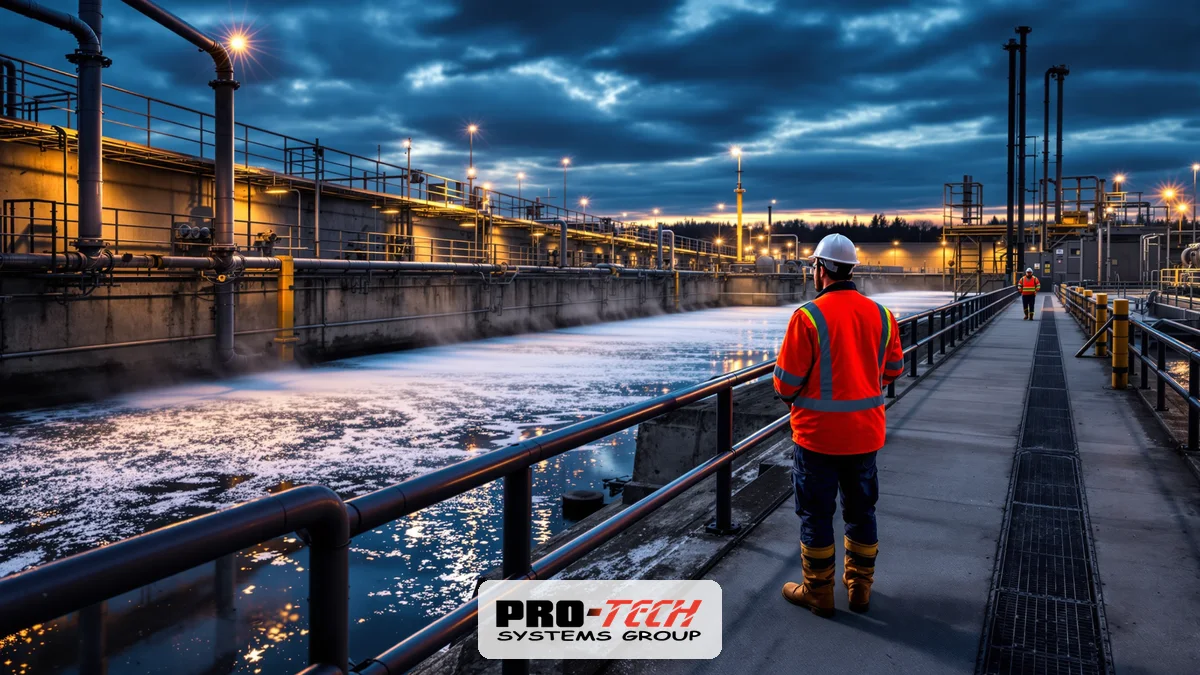
Remote lift station monitoring matters because an unmonitored station that fails can put raw sewage into a basement, a creek, or a street before anyone notices. A lift station pumps wastewater from a low collection point up to a higher gravity line, and when both pumps fail or a wet well overtops, the result is a sanitary sewer overflow (SSO). The U.S. Environmental Protection Agency treats SSOs as Clean Water Act violations, and utilities face penalties, mandatory reporting, and public notice requirements. You can review the federal framework on the EPA sanitary sewer overflows page.
Monitoring also cuts cost and risk in ways that show up every month. Operators stop making “windshield checks,” the routine drive-arounds that burn fuel and labor confirming that stations are fine. Instead, an alarm calls them out only when something is wrong. That converts a fixed daily truck roll into an exception-based response, which matters most for stations 20 or 40 minutes from the plant. Early warning on a failing pump or a high wet well also buys time to dispatch a crew or start a bypass pump before an overflow, not after.
What to Monitor at a Lift Station
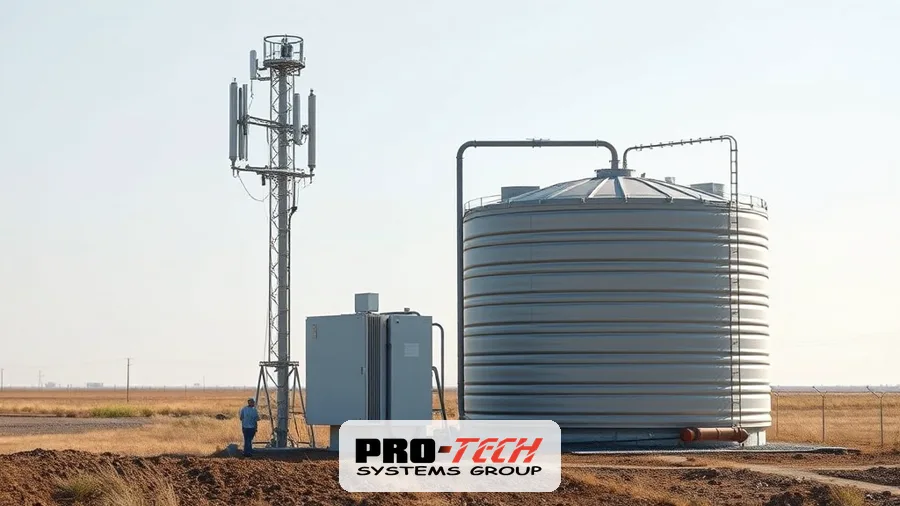
At a minimum, monitor wet-well level, pump run/fail status, and a high-water alarm at every remote lift station. These three tell you whether the station is keeping up and whether an overflow is imminent. Beyond that core set, most utilities add the following points as budget and site conditions allow.
- Wet-well level. A continuous level signal (from a submersible pressure transducer or ultrasonic sensor) shows how full the well is and how fast it is filling. Trending level over time reveals infiltration and inflow, pump wear, and clogging.
- Pump run and fail status. Run time and start counts per pump expose short-cycling and uneven wear, while a fail or fault contact flags a tripped breaker or seal failure.
- High-water float alarm. An independent float set above normal pump-on level is the last-resort alarm that fires even if the level sensor itself has failed.
- Power loss. A loss-of-power alarm tells you the station is running on generator or is dead, which is often the root cause of a developing overflow.
- Intrusion. A door or hatch switch flags unauthorized entry, vandalism, or an open panel exposed to weather.
- Flow. A flow signal, measured or calculated from pump run time and known pump curves, supports capacity planning and permit reporting.
Spell out what each signal drives. Wet-well level plus pump status is what actually prevents overflows, while power and intrusion protect the asset itself.
How Telemetry Gets the Data Back: Cellular vs Radio
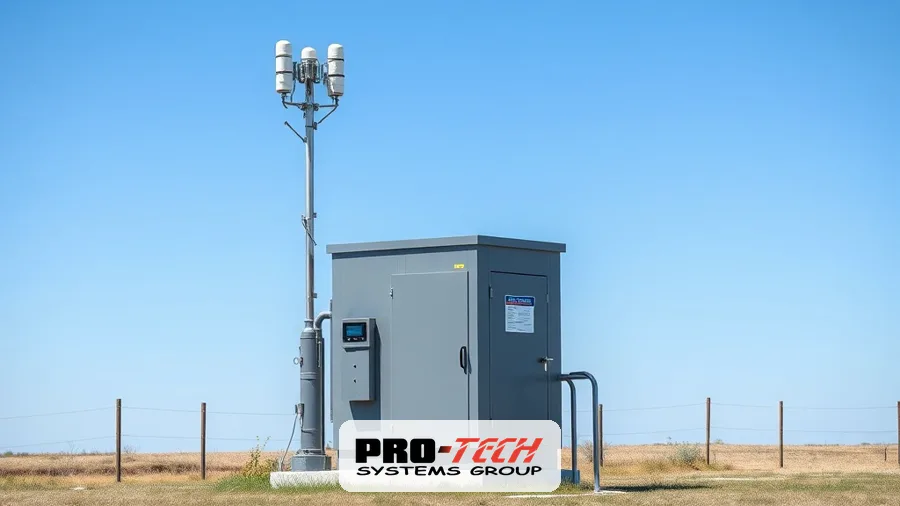
Telemetry is the technology that carries lift station signals back to the plant, and the two dominant paths are cellular and licensed radio. At a practical level, cellular sends data over a carrier network using a modem and a SIM (subscriber identity module) card, so the utility rents connectivity and gets broad coverage without owning towers. Licensed radio sends data point to point or through repeaters on a frequency the utility licenses from the FCC, so the utility owns the network and pays no airtime.
The table below compares the two across the factors that decide most projects. For the deep technical breakdown of the two technologies, see the detailed cellular vs radio telemetry comparison from Pro-Tech Systems Group.
| Factor | Cellular telemetry | Licensed radio telemetry |
|---|---|---|
| Reliability | Depends on carrier signal at the site; strong where coverage is good | Very stable once the path and repeaters are engineered |
| Coverage | Nationwide wherever the carrier reaches | Limited to line of sight and your repeater network |
| Up-front cost | Low: modem, antenna, SIM per site | High: radios, towers, repeaters, path study |
| Recurring cost | Monthly data plan per site | Minimal: FCC license renewal only |
| Ownership / licensing | Carrier owns network; no FCC license needed | Utility owns network; FCC license required |
| Longevity | Tied to carrier network generations (3G shutdowns forced upgrades) | 15 to 20 years if spectrum stays clear and parts exist |
Licensed spectrum is administered by the FCC; background on licensed wireless operation is available from the FCC Mobility Division.
When Radio Still Makes Sense and When to Switch to Cellular
Keep radio when you already own a healthy licensed network with clear spectrum, spare parts, and dense sites. If a utility has 30 stations inside a compact service area, an existing repeater tower, and radios the manufacturer still supports, the recurring savings over 30 cellular data plans are real and the network already works. Radio also makes sense where cellular coverage at the well is marginal, since a licensed link engineered for that path can be more dependable than a weak carrier signal.
Switch to cellular for new stations, scattered outlying sites, and any place a path study would be expensive. A single tank site 15 miles out rarely justifies a repeater and a licensed frequency when a cellular modem and an antenna get it online in an afternoon. Cellular also removes the burden of maintaining towers, coordinating frequencies, and finding parts for aging radios. Many utilities run a hybrid: radio for the dense core they already own, cellular for the far-flung additions.
If you operate outlying lift stations or tank sites and are weighing these tradeoffs, the team at Pro-Tech Systems Group can walk your sites, review your existing telemetry, and lay out a monitoring plan built around your SCADA. Reach out to talk through what to monitor and how to connect it.
Signs Your Aging Radio Telemetry Should Be Retired
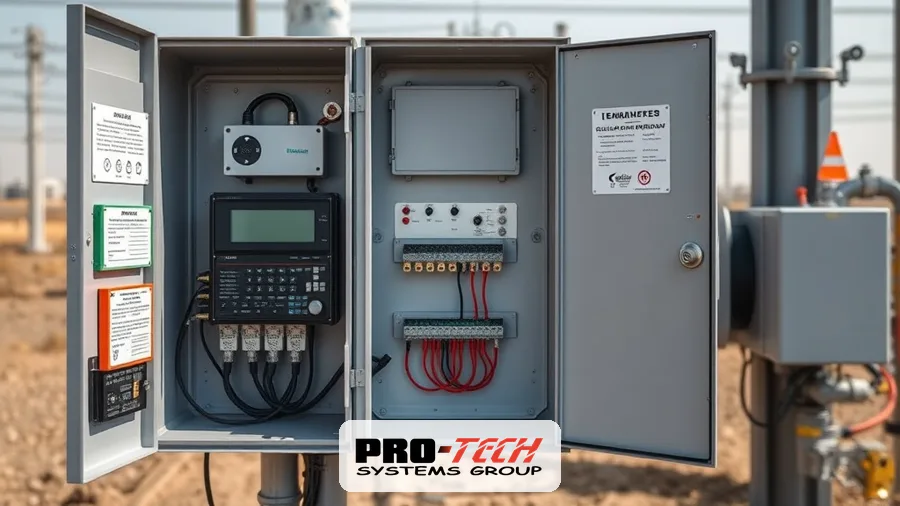
Retire radio telemetry when the hardware is discontinued and no spare parts exist, because one failed radio then becomes a permanent blind spot. Aging systems fail quietly, and the warning signs are specific.
- Obsolete, unsupported radios. The manufacturer has end-of-lifed the model, firmware updates have stopped, and replacements only come from used-equipment resellers.
- Dropped polls. The master station intermittently loses contact with remote sites, and operators have learned to “wait and see” instead of trusting the data.
- Dead or congested spectrum. New users on or near your frequency cause interference, or a path that once worked now fails after new construction blocked the line of sight.
- No spare parts. When a radio dies, the site goes dark for days or weeks while you hunt for hardware, which defeats the purpose of monitoring.
Any one of these means the telemetry is no longer doing its job. Two or more usually justify a migration to cellular or a modern licensed radio platform, often site by site as budget allows rather than all at once.
Alarm Notification and SCADA Integration
Remote lift station monitoring only prevents spills if alarms reach a human fast and the data lands in your central system. Alarm notification should push high-priority events (high-water, both-pumps-fail, power loss) to on-call staff by phone call, text, and email, with escalation if the first person does not acknowledge. Nuisance alarms should be tuned out with deadbands and delays so operators keep trusting the system.
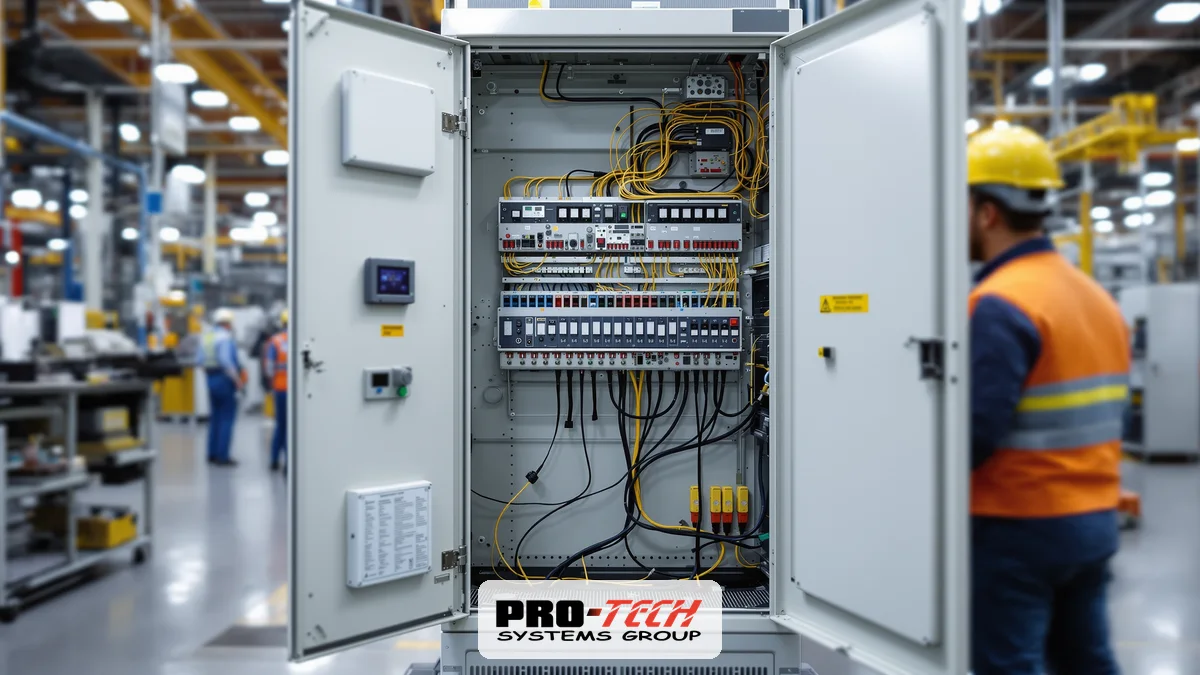
Integration means the remote station’s data flows into your existing SCADA (supervisory control and data acquisition) platform alongside the treatment plant, not into a separate portal operators have to check. Field data typically arrives from an RTU (remote terminal unit) or a PLC (programmable logic controller) at the station, then feeds the SCADA over the telemetry link. That single pane of glass lets operators trend a specific pump’s run time, compare stations, and pull compliance reports. For wastewater plants standardizing this layer, Pro-Tech Systems Group covers the platform side in its guide to wastewater SCADA. Utilities benchmarking their approach can also reference operator resources from the American Water Works Association.
How Pro-Tech Systems Group Implements Remote Telemetry
Pro-Tech Systems Group implements remote lift station monitoring as an engineered system: a field controller at the station, a telemetry link sized to the site, and integration into the plant SCADA. At each station the team installs an RTU (remote terminal unit) or PLC (programmable logic controller) wired to the level sensor, pump contacts, float alarms, and power monitoring. That controller gathers the signals, applies local alarm logic, and hands the data to the telemetry radio or cellular modem.
For the link, the team selects cellular modems where coverage and site distribution favor them, and licensed radio with RTUs where a utility already owns a network or needs it for a marginal path. Both paths terminate in the same SCADA system, so operators see every remote station and the treatment plant together. As a control systems integrator serving municipal water and wastewater utilities across the eastern United States, Pro-Tech Systems Group handles the field wiring, the telemetry, the SCADA screens, and the alarm callout configuration as one project rather than leaving a utility to stitch vendors together.
Frequently Asked Questions
What is remote lift station monitoring?
Remote lift station monitoring is the practice of continuously watching an unmanned wastewater pump station from a central location using sensors, a field controller, and a telemetry link. It tracks signals like wet-well level, pump status, and alarms, then sends them back to a SCADA (supervisory control and data acquisition) system. Operators get live data and automatic alarms instead of relying on scheduled site visits.
What should you monitor at a lift station?
At a minimum, monitor wet-well level, pump run and fail status, and a high-water float alarm at every station. These three signals reveal whether the station is keeping up and whether an overflow is close. Most utilities add power-loss detection, intrusion sensing, and flow so they can protect the equipment and support compliance reporting.
Is cellular or radio telemetry better for lift stations?
Neither is universally better; the right choice depends on your existing infrastructure and site layout. Cellular usually wins for new, scattered, or distant stations because it has low up-front cost and needs no FCC license, though it carries a monthly data fee per site. Licensed radio wins where a utility already owns a working network with clear spectrum and spare parts, since it has almost no recurring cost.
How much does lift station telemetry cost to run?
Cellular telemetry has a recurring cost of a monthly data plan per station, typically a modest low-bandwidth industrial plan since the data volumes are small. Licensed radio has almost no recurring cost beyond periodic FCC license renewal, but it requires a larger up-front investment in radios, repeaters, and a path study. Over a 10-year horizon, dense radio networks can cost less to run while scattered cellular sites cost less to build.
Can lift station data feed into our existing SCADA?
Yes. The field controller at each station, an RTU (remote terminal unit) or PLC (programmable logic controller), passes data over the telemetry link into your existing SCADA (supervisory control and data acquisition) platform. That lets operators see remote stations and the treatment plant on the same screens, trend individual pumps, and pull unified reports rather than checking a separate vendor portal.
When should we retire radio telemetry?
Retire radio telemetry when the radios are discontinued with no spare parts, when polls drop out intermittently, or when your licensed frequency is congested or the path has failed. Any one of these means the system can no longer be trusted to alarm reliably. Many utilities migrate site by site as budgets allow rather than replacing the whole network at once.
How does monitoring help prevent sanitary sewer overflows?
Monitoring prevents sanitary sewer overflows (SSOs) by catching the conditions that cause them early: a rising wet well, a failed pump, or a power loss. When both pumps stop and the level climbs, an automatic alarm calls out on-call staff with enough lead time to dispatch a crew or start a bypass pump. That turns a potential spill and a Clean Water Act violation into a routine service call.