SCADA for Wastewater Plants: 5 Critical Features for Success
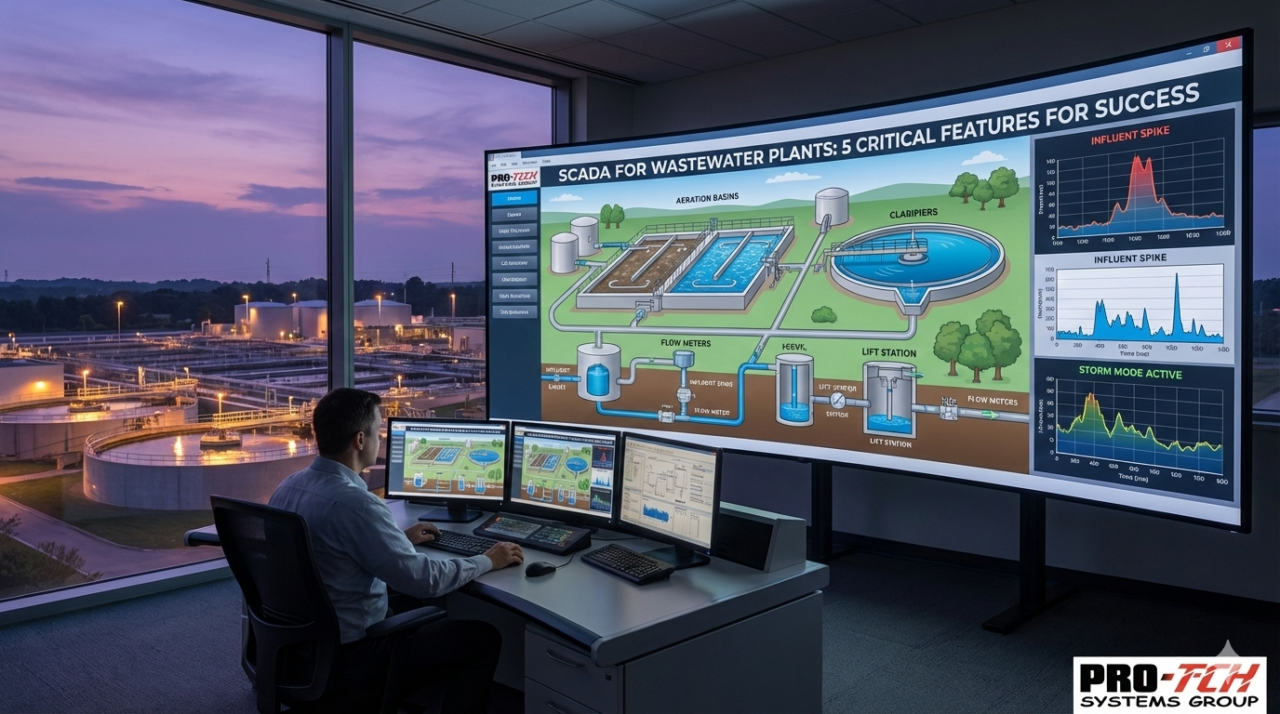
SCADA for Wastewater Plants: 5 Critical Features for Success
Managing a modern wastewater facility is a balancing act. Operators must navigate fluctuating influent rates, strict EPA discharge limits, and rising energy costs, all while maintaining aging infrastructure. In this high-pressure environment, a generic control system simply isn’t enough. Implementing specialized scada for wastewater plants is the only way to ensure operational resilience and regulatory peace of mind.
Unlike clean water treatment, wastewater management involves dealing with biological processes and unpredictable storm events. This requires a control system designed with specific capabilities. In this comprehensive guide, we explore the five critical features that every scada for wastewater plants must have to drive efficiency and compliance in 2025.
Key Takeaways
- Wastewater SCADA must handle remote lift stations, harsh/corrosive environments, wet-weather flow surges, and strict discharge-permit reporting.
- The critical features are reliable remote telemetry, robust alarming, redundancy, regulatory data logging, and cybersecurity.
- Modern wastewater SCADA integrates with existing pumps, lift stations, and PLCs rather than requiring wholesale replacement.
- Pro-Tech Systems Group designs resilient, secure wastewater SCADA and remote telemetry across the eastern United States.
Table of Contents
The Unique Challenges of Wastewater Automation
Why do we distinguish between water and wastewater SCADA? The difference lies in the consequences of failure. In wastewater, a system failure doesn’t just stop production; it can lead to Sanitary Sewer Overflows (SSOs), massive environmental fines, and public health hazards. Therefore, scada for wastewater plants must be built with a focus on predictive alarm management and automated storm response.
According to the Water Environment Federation (WEF), digital transformation is the most effective way for utilities to manage these growing risks without doubling their workforce.
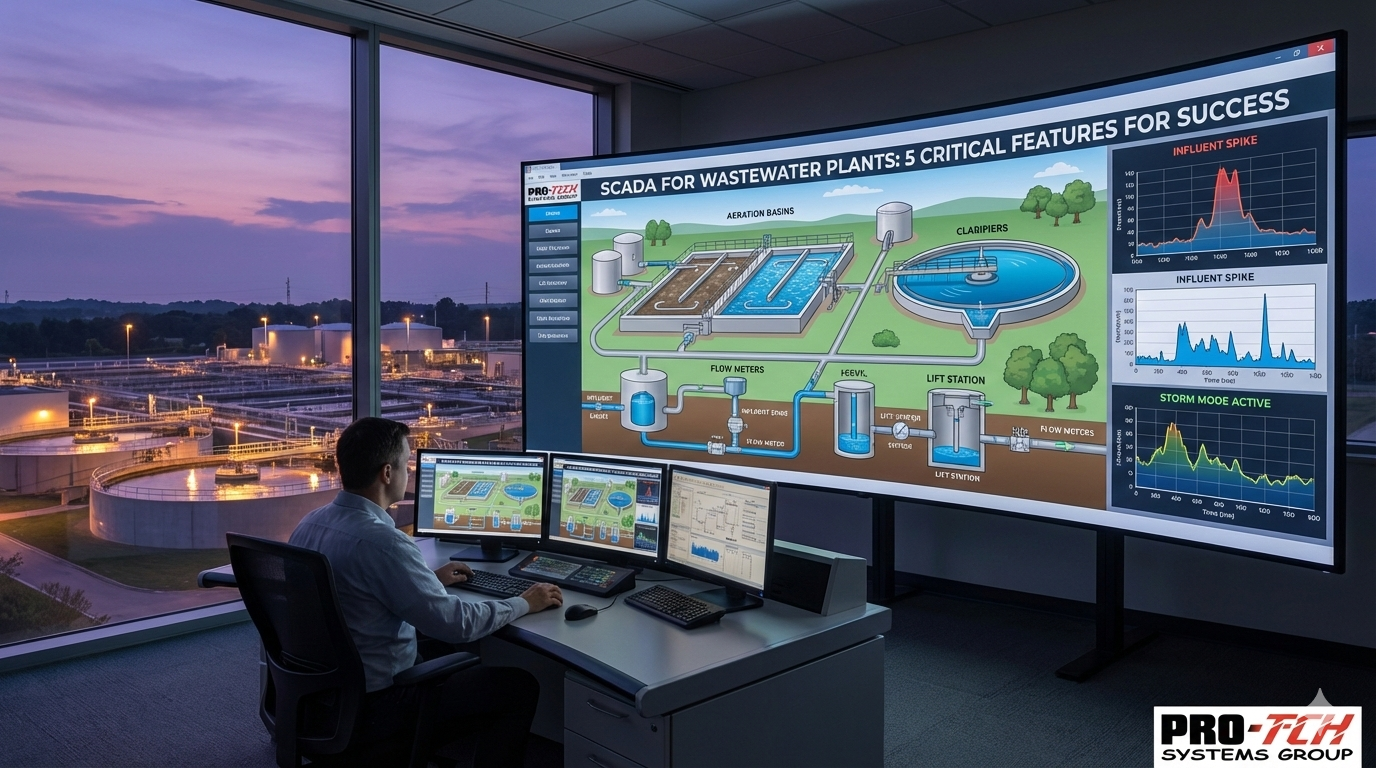
5 Critical Features Your Wastewater SCADA Needs
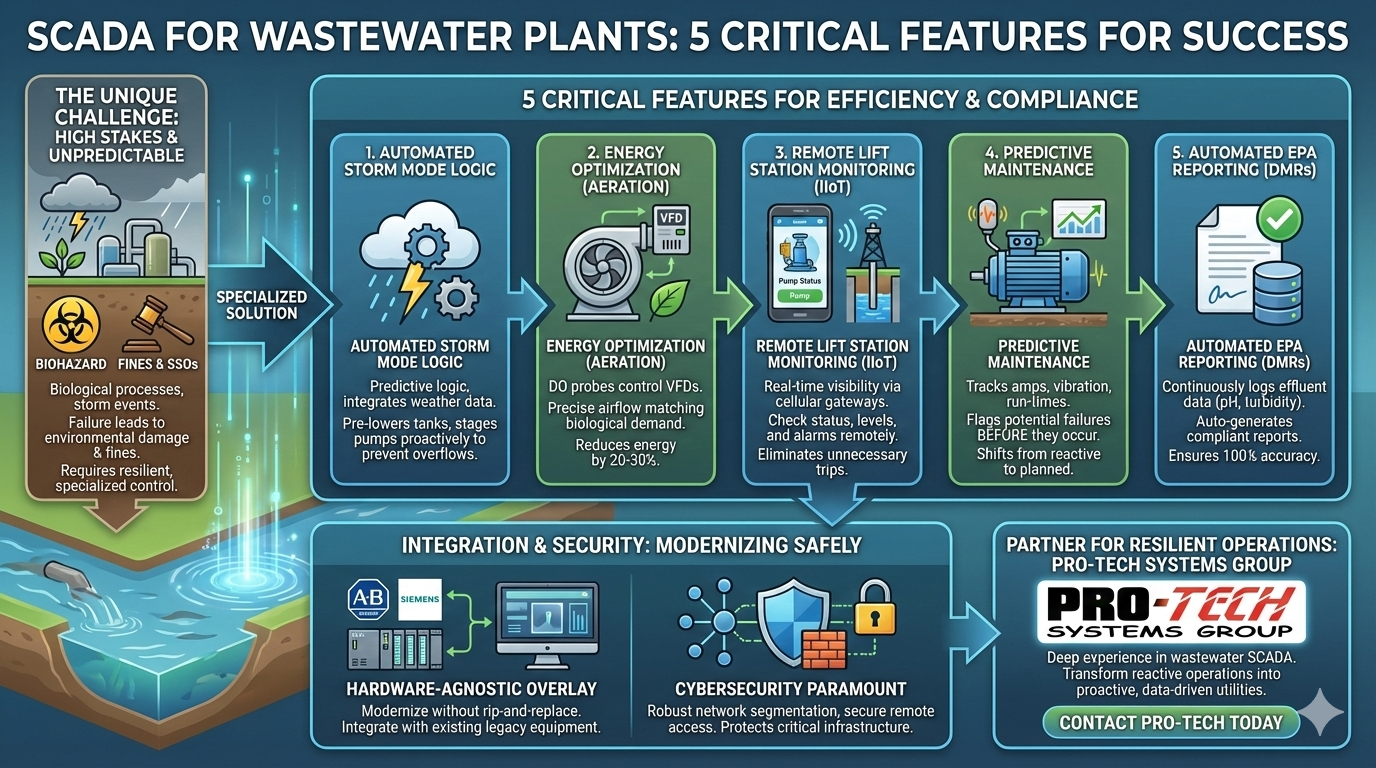
1. Automated Wet Weather & Storm Mode Logic
The biggest threat to any wastewater facility is a heavy rainfall event. Sudden spikes in influent can overwhelm lift stations and clarifiers. A standard control system relies on operators to manually turn on extra pumps. Effective scada for wastewater plants includes automated “Storm Mode” logic. By integrating weather data and upstream flow sensors, the system can predict surges before they arrive, automatically pre-lowering tank levels and staging backup pumps. This proactive approach is the best defense against illegal overflows.
2. Energy Optimization for Aeration Blowers
Aeration accounts for up to 60% of a wastewater plant’s total energy bill. Many older systems run blowers at a constant speed, wasting massive amounts of electricity. Modern scada for wastewater plants utilizes Dissolved Oxygen (DO) probes to control Variable Frequency Drives (VFDs) on the blowers. The SCADA system continuously adjusts the airflow to match the exact biological demand of the aeration basin. This precise control can reduce energy consumption by 20-30%, paying for the system integration costs in just a few years.
3. Remote Lift Station Monitoring via IIoT
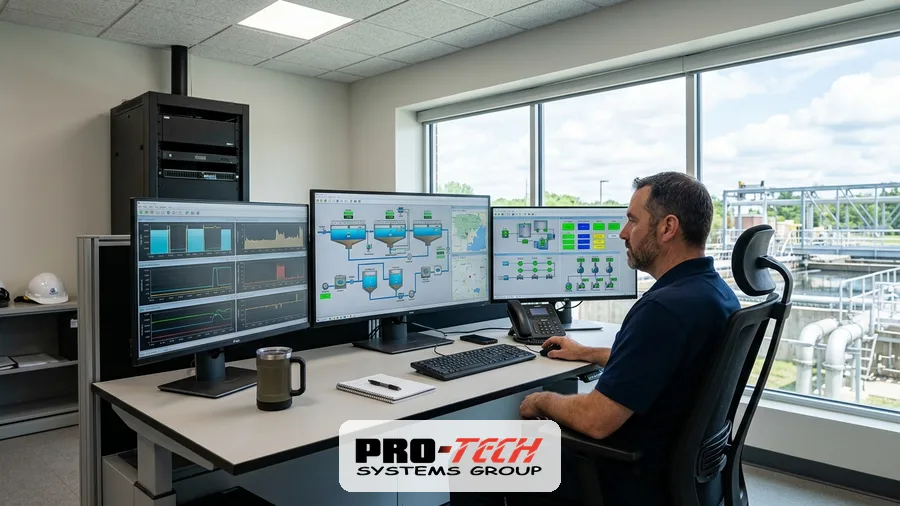
Wastewater collection systems often span dozens of square miles with remote lift stations located in hard-to-reach areas. Relying on “drive-by” inspections is inefficient and risky. Leading solutions for scada for wastewater plants utilize Industrial IoT (IIoT) cellular gateways to provide real-time visibility into these remote sites. Operators can check pump status, wet well levels, and seal fail alarms from their smartphones. This eliminates unnecessary truck rolls and ensures that maintenance crews are dispatched only when there is a genuine issue.
4. Predictive Maintenance for Pumps and Motors
In a wastewater environment, equipment degradation is inevitable. Rags and debris put immense strain on pumps. However, catastrophic failure is often preventable. Advanced scada for wastewater plants tracks key performance indicators like motor amperage, vibration, and run-times. If a pump starts drawing more current to move the same amount of fluid, the SCADA system flags it for maintenance before it seizes up. This shift from reactive to predictive maintenance is a core benefit of our IIoT solutions.
5. Automated EPA Discharge Reporting (DMRs)
Compliance is non-negotiable. Manually compiling data for Discharge Monitoring Reports (DMRs) is tedious and prone to human error. A robust system designed for scada for wastewater plants automates this entire process. It continuously logs effluent turbidity, pH, BOD, and flow rates into a secure historian database. At the end of the month, the system automatically generates the formatted reports required by state and federal agencies, ensuring 100% accuracy and saving hours of administrative work.
Frequently Asked Questions
What is SCADA in wastewater treatment?
SCADA in wastewater treatment is the supervisory system that monitors and controls collection and treatment assets — lift stations, pumps, blowers, clarifiers, and disinfection — often across many remote sites. It gives operators central visibility and control, alarms on abnormal conditions, and records the data needed for discharge-permit compliance.
What features should a wastewater SCADA system have?
The essential features are reliable remote telemetry to outlying lift stations, robust alarm management, redundancy so a single failure does not blind operators, automated regulatory data logging and reporting, and cybersecurity aligned with standards such as IEC 62443.
How does SCADA improve wastewater plant operations?
SCADA reduces truck rolls by monitoring remote sites in real time, catches problems like pump failures or high wet wells before they cause overflows, optimizes energy use on pumps and blowers, and automates the compliance reporting that would otherwise consume operator time.
How is wastewater SCADA secured?
Wastewater SCADA is secured through network segmentation that separates control systems from business IT, secured remote-access methods, continuous monitoring for abnormal behavior, and adherence to frameworks like IEC 62443 and relevant EPA and state cybersecurity guidance.
Can SCADA integrate with existing lift stations and pumps?
Yes. A well-designed wastewater SCADA integrates with existing pumps, lift-station controls, and PLCs using standard industrial and cellular/radio telemetry, so a utility can gain central monitoring and control without replacing field infrastructure it already operates.
Integrating SCADA with Your Existing Infrastructure
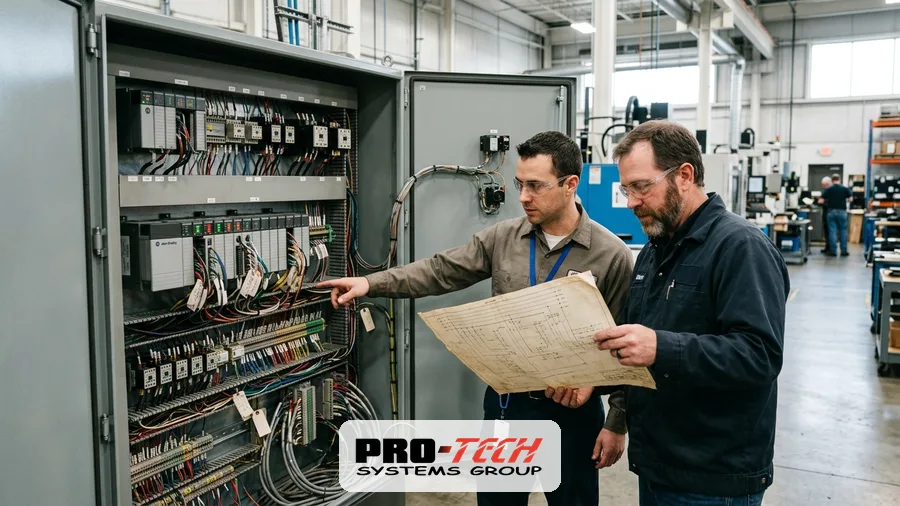
One common concern is the cost of ripping and replacing existing equipment. However, modern scada for wastewater plants is often hardware-agnostic. At Pro-Tech, we specialize in control system modernization that integrates with your existing PLCs and sensors.
Whether you have Allen-Bradley, Siemens, or legacy hardware, we can overlay a modern SCADA interface that unlocks these advanced features without requiring a total plant rebuild. This phased approach allows municipalities to upgrade their capabilities while staying within budget constraints.
Security: Protecting the Wastewater Infrastructure
As these systems become more connected, cybersecurity becomes paramount. A hacker seizing control of a wastewater plant could cause environmental devastation. Any implementation of scada for wastewater plants must include robust network segmentation, firewalls, and secure remote access protocols. We treat security as a foundational element, not an add-on. You can learn more about our defense-in-depth strategies in our water plant security guide.
Partner with Pro-Tech for Resilient Wastewater Operations
Designing a control system for wastewater requires a deep understanding of hydraulic modeling, biological processes, and regulatory requirements. It is not a job for a generalist IT firm.
Pro-Tech Systems Group has decades of experience deploying scada for wastewater plants across the region. We help municipalities transform reactive, manual operations into proactive, data-driven utilities.
Is your facility ready for the next storm event? Contact Pro-Tech today to discuss upgrading your wastewater SCADA system for maximum efficiency and compliance.
Running a municipal water or wastewater operation? See our guide to bulk water fill stations for how utilities automate and meter bulk water sales.
Related posts