Automated Bulk Water System: 5 Ultimate Features for Best ROI
Automated Bulk Water System: 5 Ultimate Features for Best ROI
Municipalities and private water purveyors face a growing challenge: providing reliable, 24/7 access to bulk water for commercial haulers while ensuring accurate billing and preventing theft. Outdated coin-operated stations, token systems, or honor-system logbooks are no longer viable in a modern utility environment. The solution to these administrative and financial headaches is a modern automated bulk water system. This technology transforms a labor-intensive liability into a streamlined, profit-generating asset.
Whether you are serving agricultural needs, construction crews, hydro-seeding trucks, or filling swimming pools, an automated bulk water system ensures that every single drop of water leaving your facility is accounted for and paid for securely. In this guide, we explore the five ultimate features that make upgrading your dispensing stations the best ROI decision for your municipality.
Table of Contents
The Financial Case for an Automated Bulk Water System
Before diving into the technical features, it is important to understand the return on investment. Legacy water stations suffer from “revenue leakage.” Coins get jammed, tokens are counterfeited, and manual logbooks are frequently inaccurate. Furthermore, the administrative overhead of having city staff empty coin boxes, count cash, and manually invoice account holders consumes valuable labor hours.
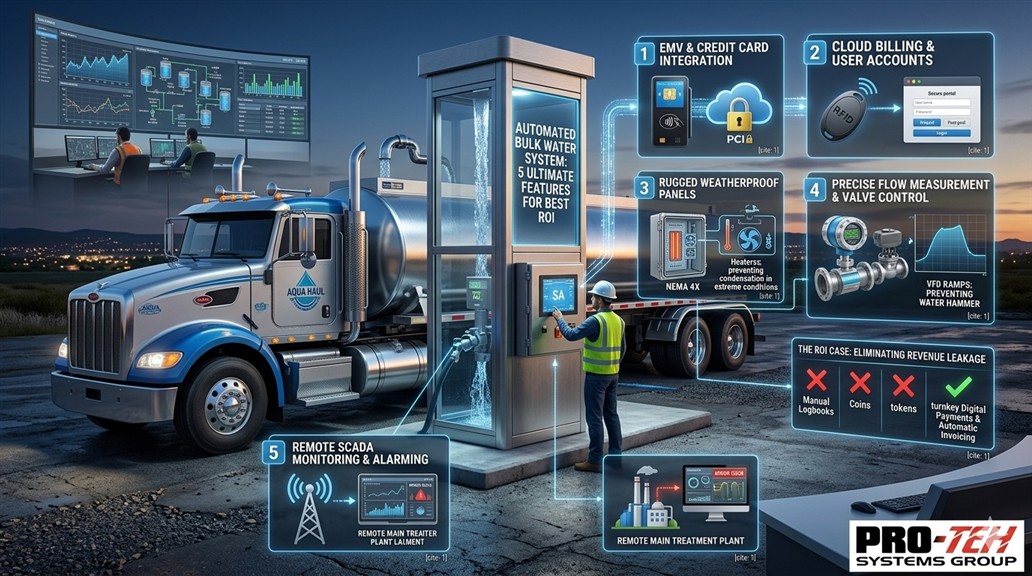
By implementing a turnkey automated bulk water system, municipalities eliminate this revenue leakage entirely. Transactions are processed digitally, funds are deposited directly into municipal accounts, and detailed usage reports are generated automatically. The system pays for itself simply by capturing the revenue that was previously slipping through the cracks.
5 Essential Features of a Modern Dispensing Station
1. Seamless EMV and Credit Card Integration
The cornerstone of a modern automated bulk water system is its payment terminal. Gone are the days of requiring haulers to visit city hall during business hours to purchase prepaid cards or tokens. Modern stations feature ruggedized EMV (chip and PIN) and tap-to-pay credit card readers. This allows transient users to purchase water instantly, 24/7. To protect municipal liability, it is critical that these payment terminals comply with the strict data security standards set by the PCI Security Standards Council, ensuring all financial transactions are encrypted and secure.
2. Cloud-Based Billing and User Account Management
For your regular, high-volume haulers, an automated bulk water system should offer sophisticated account management. Instead of swiping a credit card every time, regular users are issued secure RFID fobs or PIN codes tied to a specific account. The system’s cloud-based software allows municipal administrators to set up prepaid or post-paid accounts, assign different pricing tiers, and automatically generate monthly invoices. Haulers can even log into a web portal to view their own usage history and manage their fleet’s access.
3. Ruggedized, Weatherproof Control Panels
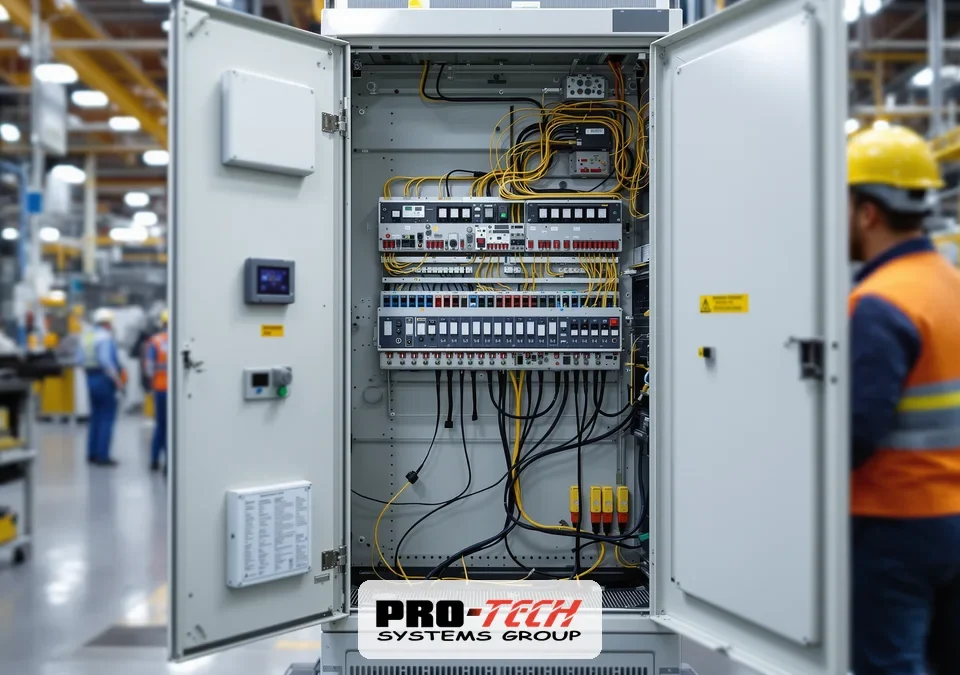
Water dispensing stations are subjected to the harshest environmental conditions, from freezing winter blizzards to blistering summer heat, not to mention the constant presence of moisture. A consumer-grade touchscreen will not survive. A true industrial automated bulk water system utilizes NEMA 4X rated stainless steel or fiberglass enclosures. The internal components, PLCs, and touchscreens are specifically engineered for extreme temperature ranges and feature internal climate control (heaters and fans) to prevent condensation and freezing.
4. Precise Flow Measurement and Valve Control
Accuracy is the foundation of fair billing. An automated bulk water system relies on high-precision magnetic or ultrasonic flow meters to measure the exact volume of water dispensed, down to the gallon. Furthermore, the system must control the flow intelligently. Using Variable Frequency Drives (VFDs) or motorized control valves, the system slowly ramps up the water pressure when dispensing begins and slowly ramps it down when finishing. This prevents “water hammer”—a destructive shockwave that can severely damage municipal piping infrastructure.
5. Remote SCADA Monitoring and Alarming
Your dispensing station shouldn’t be an isolated island. The most advanced deployments integrate the automated bulk water system directly into the municipality’s existing SCADA network. This provides operators at the main treatment plant with real-time visibility into the station’s status. If a pipe freezes, a valve fails to close, or the station loses communication, the SCADA system immediately triggers an alarm, allowing maintenance crews to respond before a minor issue becomes a major flood.
Frequently Asked Questions
Yes. A modern automated bulk water system is designed with dual-authentication methods. Transient or out-of-town haulers can use the EMV credit card reader for instant purchases, while your registered, local fleet operators can use assigned RFID fobs or PIN codes tied to their specific municipal billing accounts.
Industrial-grade dispensing stations are built inside NEMA 4X weatherproof enclosures that include internal, thermostatically controlled heaters. Additionally, the piping design of a professional automated bulk water system often includes heat tracing and automated drain valves (weep valves) that evacuate standing water from the dispensing arm after each use, preventing ice blockages.
Not necessarily. While a hardwired internet connection is excellent, most remote dispensing stations utilize secure, industrial cellular gateways (4G/5G LTE). This allows the automated bulk water system to securely process credit card transactions and transmit SCADA data back to the main plant from virtually any location with cell service.
In most cases, yes. The cloud-based management portals used in a high-quality automated bulk water system allow administrators to export detailed transaction and usage reports in standard formats (like CSV or Excel). These reports can then be easily imported into the municipality's existing ERP or accounting software for streamlined monthly billing.
Partnering with Pro-Tech for Turnkey Solutions
Building a reliable dispensing station requires expertise in both physical panel fabrication and secure software integration. Many vendors offer one or the other, leaving the municipality to bridge the gap.
At Pro-Tech Systems Group, we provide a truly turnkey automated bulk water system. We design and build the UL-listed control panels in our own facility, integrate the precise flow meters and valves, and provide the secure, cloud-based EMV payment and billing software required to manage it all seamlessly. We understand the unique needs of municipal water districts and build solutions designed to last for decades.
To see how we have successfully deployed these solutions, visit our dedicated Bulk Water Station services page.
Ready to eliminate revenue leakage and modernize your city’s water dispensing? Contact Pro-Tech today to discuss a custom automated solution for your municipality.
Related posts