5 Key Factors When Choosing a Control System Company

5 Key Factors When Choosing a Control System Company
Embarking on an industrial automation project is a high-stakes endeavor. Whether you’re upgrading a legacy system or commissioning a new production line, the success of your investment—and potentially your entire operation—hinges on one critical decision: choosing the right control system company.
This guide cuts through the noise. Here are the five key factors you must evaluate to ensure you select a partner who will deliver your project on time, on budget, and with the long-term performance you expect.
Factor 1: Verifiable Technical Expertise and Deep Industry Experience
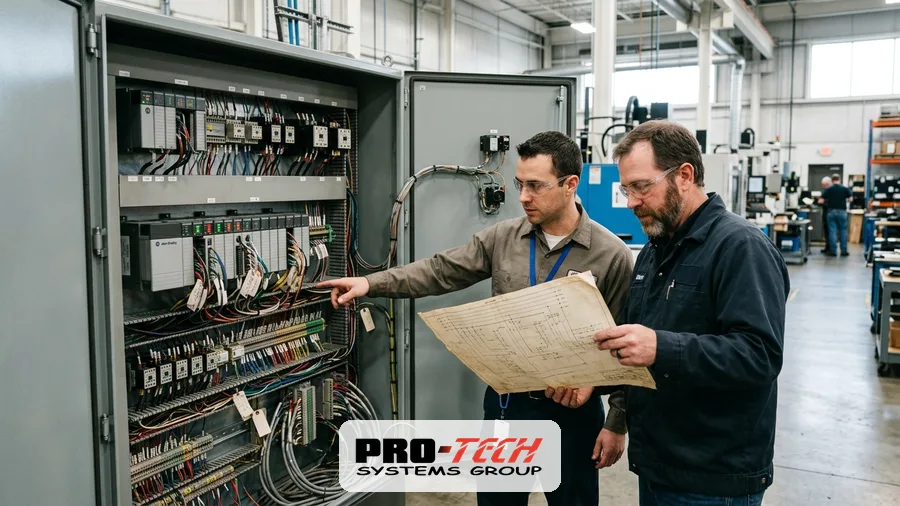
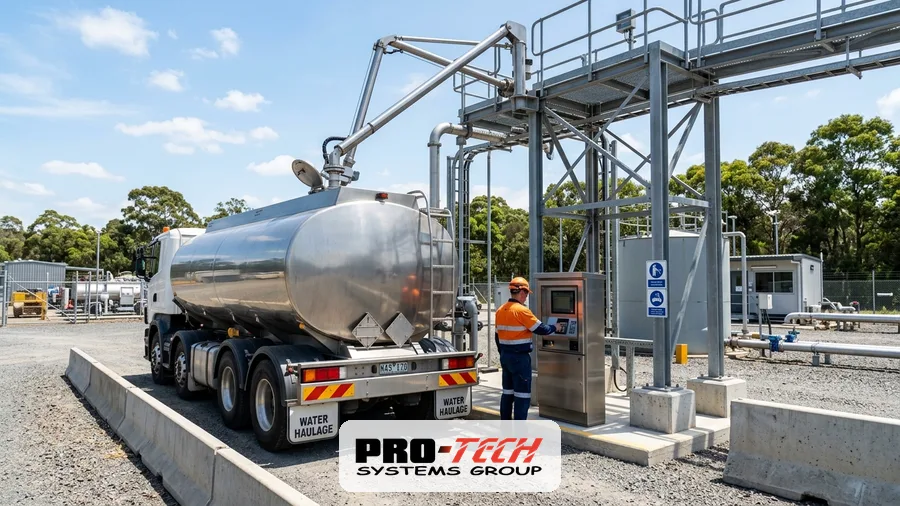
Industrial automation is not a one-size-fits-all discipline. The control system for a manufacturing plant is vastly different from one for an oil and gas pipeline. The first filter in your selection process should be a company’s demonstrated experience in your specific industry.
A generalist may understand PLC programming, but a specialist understands your processes. They know the unique challenges, safety requirements, and regulatory standards that govern your world.
How to verify this:
Ask for Case Studies: Don’t just accept a logo on a slide. Ask for detailed case studies relevant to your project. Look for similar scopes, technologies, and industry challenges.
Request Client References: Talk to their past clients. Ask about their experience with project management, communication, and post-project support.
Inquire About Certifications: Do their engineers hold certifications from major vendors like Rockwell (Allen-Bradley), Siemens, or Schneider Electric? Are they certified by organizations like the Control System Integrators Association (CSIA)?
A truly experienced systems integrator will be proud to share this information. If a company is hesitant, consider it a red flag.

Factor 2: A Clearly Defined and Transparent Project Management Process
The best industrial automation companies are not just technology experts; they are masters of project management. A brilliant technical solution is useless if the project suffers from scope creep, budget overruns, and missed deadlines.
A professional partner will guide you through a structured process that includes:
Discovery and Front-End Engineering Design (FEED): A deep dive to fully understand your requirements, goals, and existing infrastructure before a single line of code is written.
Detailed Scope of Work (SOW): A comprehensive document that clearly defines all deliverables, timelines, milestones, and responsibilities. This document protects both you and the integrator.
Regular Communication: A commitment to scheduled check-ins, progress reports, and a single point of contact to ensure you are always informed.
A Clear Change Order Process: Changes are inevitable in complex projects. A professional firm will have a formal process for evaluating, approving, and documenting any changes to the SOW.
This disciplined approach is a hallmark of a mature control system company and is essential for a successful outcome.
Factor 3: Vendor Agnosticism for True Process Automation Solutions
Some companies are primarily resellers for a specific hardware or software brand. A true systems integrator, however, is vendor-agnostic. This distinction is critical.
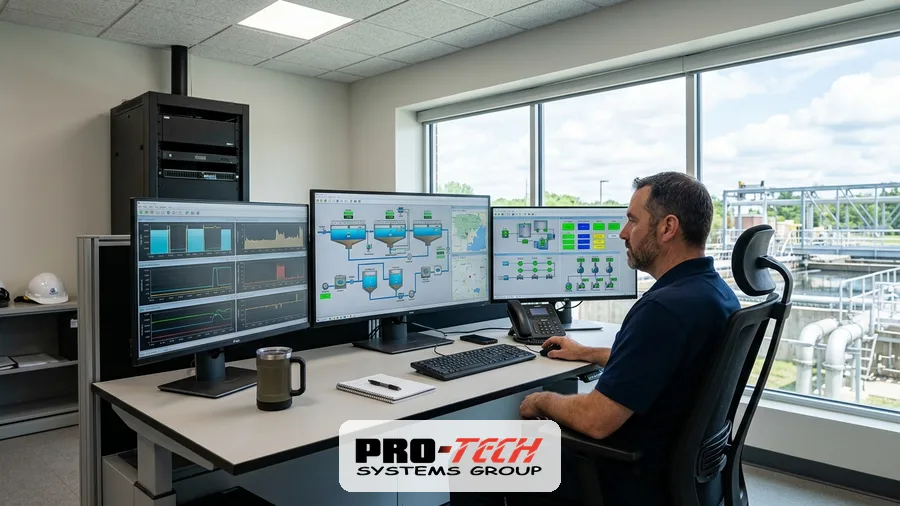
A vendor-agnostic partner’s primary loyalty is to you, the client, not to a sales quota from a particular manufacturer. Their goal is to design and build the best possible process automation solution for your specific application and budget, drawing from the best technology available on the market.
The benefits of this approach are significant:
A Tailored Solution: You get a system designed for your needs, not one forced to fit a preferred product line.
Cost-Effectiveness: They can source components from multiple vendors to find the best balance of price and performance.
Future-Proofing: You avoid being locked into a single proprietary ecosystem, giving you more flexibility for future upgrades and expansions.
Factor 4: A Commitment to Long-Term Support and Partnership
Your project doesn’t end when the system goes live. What happens if you encounter an issue at 2 a.m. on a Saturday? What about operator training, system maintenance, and future upgrades?
Choosing a control system company should be about finding a long-term partner, not a short-term contractor. Before signing a contract, get a clear understanding of their post-project support structure. Look for:
24/7 Emergency Support: Critical operations can’t wait until the next business day.
Customized Service Level Agreements (SLAs): Formal agreements that define response times and maintenance schedules.
Comprehensive Training Programs: Ensuring your team has the skills to operate and maintain the new system effectively.
Proactive Maintenance and Modernization Plans: A true partner will help you plan for the future, ensuring your system remains efficient and secure for years to come.
Factor 5: An Uncompromising Focus on Safety and Security
In the industrial world, safety is the highest priority. A potential partner’s safety record and culture should be a key part of your evaluation. Ask about their safety programs, EMR ratings, and how they approach safety during design and commissioning.
In today’s connected world, this focus must extend to cybersecurity. As seen in the search data, terms like “SCADA cybersecurity” are top-of-mind for a reason. Any modern industrial control system must be designed with security built-in from the ground up, not added as an afterthought. A forward-thinking integrator will proactively discuss network segmentation, access control, and threat detection as core components of your automation project.
Making the Right Choice
Choosing the right partner is the single most important factor in the success of your industrial project. By evaluating potential companies against these five key factors, you can move beyond the sales pitch and identify a firm with the expertise, processes, and commitment to be a true partner in your success.
Ready to partner with a control system company that checks all the boxes? Contact Pro-Tech Systems Group (PTSG) to discuss your next industrial automation project and build a solution that delivers results today and for years to come.
Related posts